How to Protect Yourself from Identity Theft

Imagine someone opening a credit card or making big purchases — using your name. It’s a scary thought, and identity theft is a growing concern in today’s digital world, affecting millions of people each year.
Identity theft starts with someone getting access to your personal information. Personal information can range from things as simple as your name and address to your Social Security number and banking information.
Identity theft is when someone uses your personal information to commit fraud, usually for financial gain.
How does identity theft happen?
There are many ways that scammers can steal your identity. This can happen in person, online, by text or phone; scammers are always innovating and finding new ways to gain access to private information. Here are some recent scams to be aware of, and here are some of the most common ways identity theft occurs:
- In person. Scammers may steal from you in person by taking a smartphone, wallet, or purse, or by going through your trash to locate sensitive paperwork that may give them access to your accounts.
- Over public Wi-Fi. Scammers can also get personal information from your phone or computer when you log in to public Wi-Fi networks.
- ATMs or credit card machines. Skimmers are small devices that can be easily installed on ATMs to “skim” and collect your card’s info, including the PIN. This is common at gas stations, where scammers often have time and access to install a skimmer without anyone noticing.
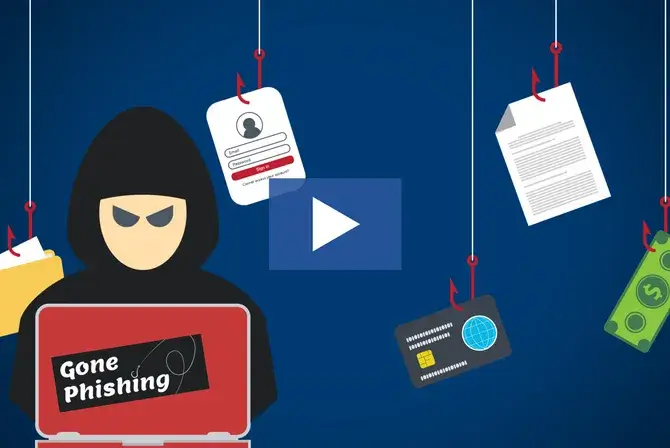
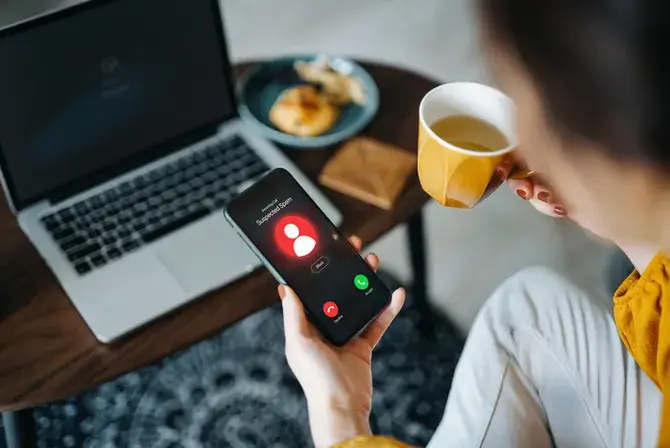
- Phishing attempts. Some scammers will pose as legitimate agencies and approach you by email, phone, or text in order to get you to hand over personal data. They may ask you to click on a link to verify your account or even impersonate a government agency you trust or a business you’ve purchased from before. Don’t engage. Don’t click links. Always reach out to the company directly to confirm the information yourself.
- Through social media. If you have public social media accounts, be cautious about how much you reveal about yourself, your home, and your life. Some scammers can use bits and pieces of what you share online to piece together enough information about your identity to gain access to your private information. Be especially careful not to reveal things that might be part of your security questions (your mom’s maiden name and your first pet are two common ones).
- Data breaches. Often, scammers will hack into an entire database at a large company, gaining access to all of their sensitive customer information.
How to avoid identity theft
The good news is there are many safeguards you can put in place and steps you can follow to minimize your chance of identity theft.
- Stay educated and up to date on the latest scams so you’ll be able to see through any scam attempts.
- Use credit instead of debit when possible. Credit card charges are usually easier to dispute.
- Get in the habit of checking your bank statements regularly.
- Opt for paperless statements on accounts to avoid physical paper getting into the wrong hands.
- Check your own credit report for free at annualcreditreport.com to keep an eye on activity.
- Consider signing up for a credit monitoring service.
- Change your online banking and other important passwords regularly, and make sure to use strong passwords that are not easily guessed.
- Give your Social Security number only when absolutely necessary. Ask to use another method, such as a password.
How to know if your identity has been stolen
Stay alert for anything that seems unusual. This could be an absence of mail or credit card statements, alerts of new accounts that you don’t recall opening, any unusual transactions on your credit card, debt collection calls, and more.
What to do if your identity has been stolen
Notify your financial institutions right away.
Report it to the Federal Trade Commission at identitytheft.gov. You’ll be given an action plan based on your circumstances. This likely includes freezing your credit with the three major credit bureaus, Equifax, TransUnion, and Experian.
You can follow our identity theft checklist to ensure you take all of the necessary actions.
Stay vigilant, and if something feels off, trust your instincts. The best way to avoid falling victim to identity theft is to educate yourself. Keep yourself updated on the latest scams out there, and stay current on tips for seeing through scams.